
Academic Technology in Primary School
Technology Services and Tools
All Primary School classrooms are equipped with interactive whiteboards. In our Early Years classrooms, technology is used thoughtfully in a low-tech setting to enhance learning while keeping the primary focus on hands-on play and discovery. Teachers use interactive boards only in brief, intentional moments throughout the day. To protect young learners from unnecessary screen time while keeping families connected to their child's daily progress, classroom iPads are strictly teacher-facing and used solely by educators to document learning milestones on Seesaw.
In Grades 1 and 2, the classrooms have a few shared iPads generally used by the teacher for documenting student learning on Seesaw. Occasionally students will record themselves reading or speaking about a current project at school.
In Grade 3, there are enough iPads for each student for intentional, specific teacher-guided projects and learning goals as they learn about collaborating on digital documents. This is their first exposure to Google Drive and is not a central aspect of the learning experience.
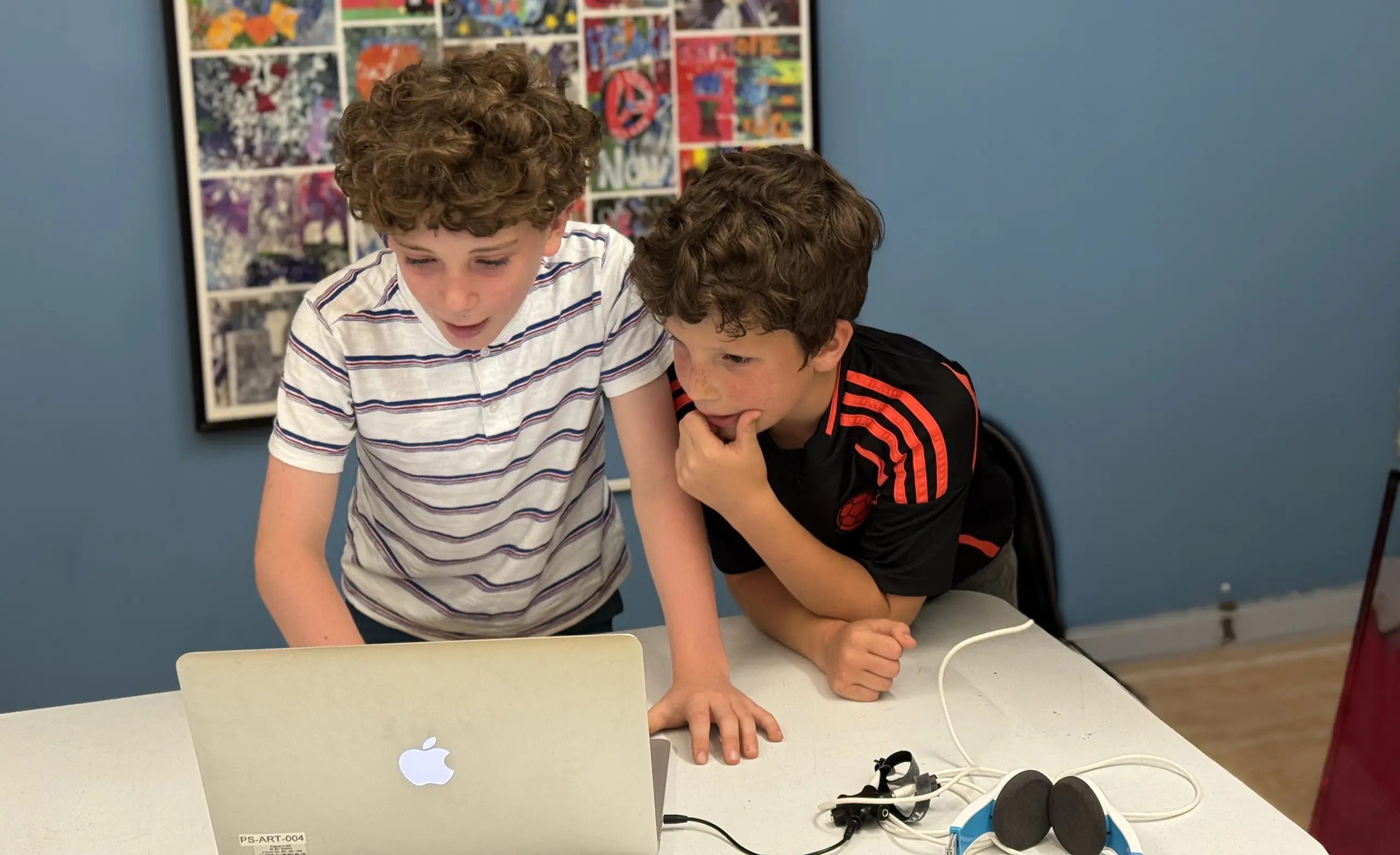
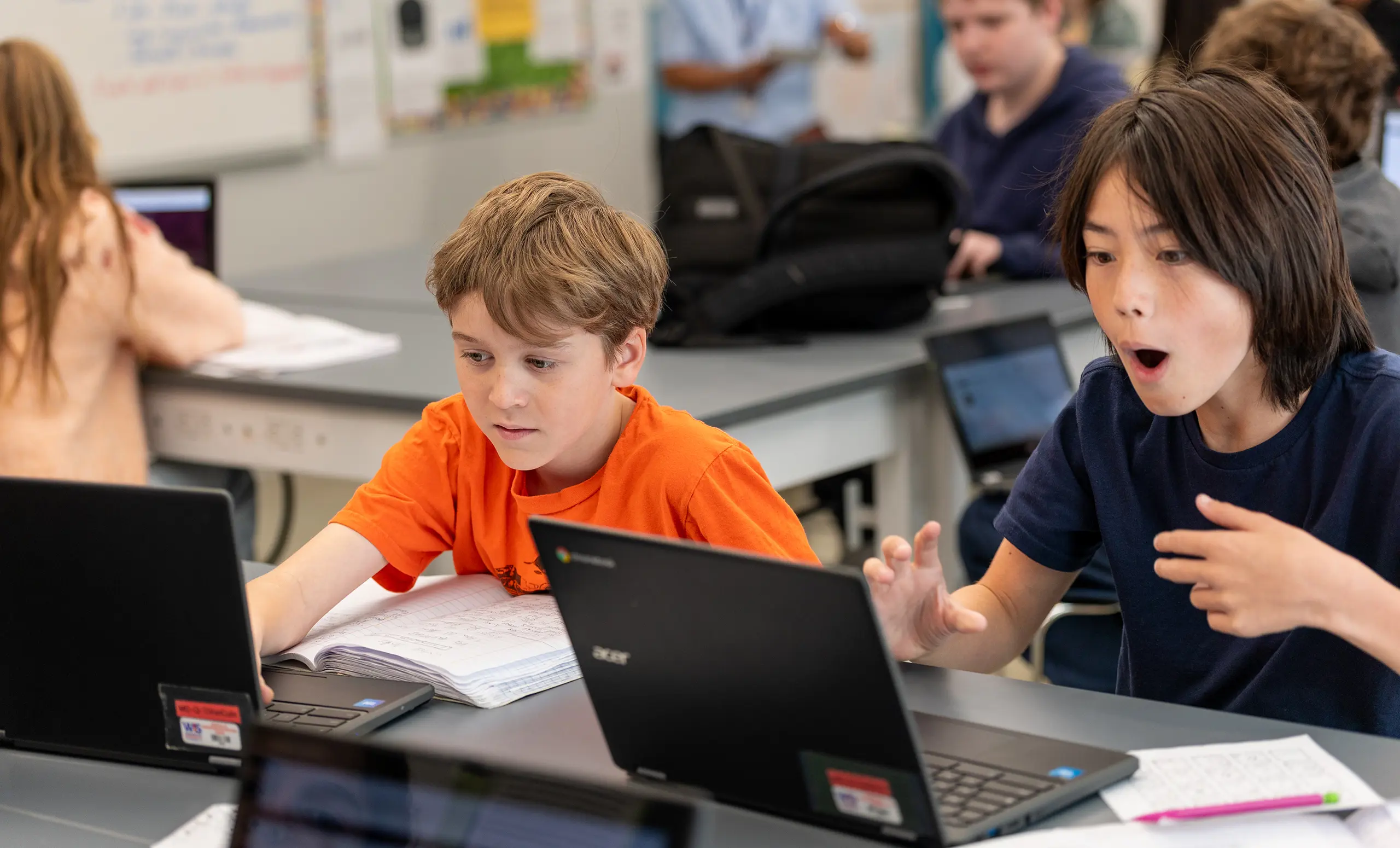
In Grades 4 and 5, classrooms have Chromebook carts. All Chromebooks are closely managed, and teachers have access to Securly Classroom, an application for monitoring screens in realtime, and teacher friendly tools for keeping students on task. Additionally, email is introduced in a limited way allowing Grade 4 students to only email their teachers and Grade 5 students can only email within the WIS network.
While WIS teachers may use school approved AI Tools to accompany lesson planning. There are no student facing AI applications at the Primary School.
All students in Grades 3–5 go over the Acceptable Use Policy before using any school-owned technology with a member of the Academic Technology team and Assistant Principal. Likewise, families are also expected to review and sign the policy with their children.
Digital Citizenship
WIS Primary School students begin engaging with digital citizenship concepts as early as Grade 1. For example, during the first two weeks of the Primary School year, a campus-wide approach to community-building gets underway, which includes discussions on the role of technology at school. Teachers and students establish classroom contracts and administrators visit classes to share expectations for technology use in connection to the three Bs: Be Safe, Be Kind, Be Respectful.
Primary School students also learn about media literacy and digital well-being through their STEAM and Information Communication Literacies (ICL) single-subject classes. This curriculum, rooted in CSE’s digital citizenship framework, lends itself to the PYP’s inquiry-based approaches to learning. Foundational concepts such as kindness, balance, and safety in the digital world are embedded directly into their Units of Inquiry.

