
Worlds Collide: DC History Explores Piscataway Park
by Brae Sullivan, Middle School Humanities teacher
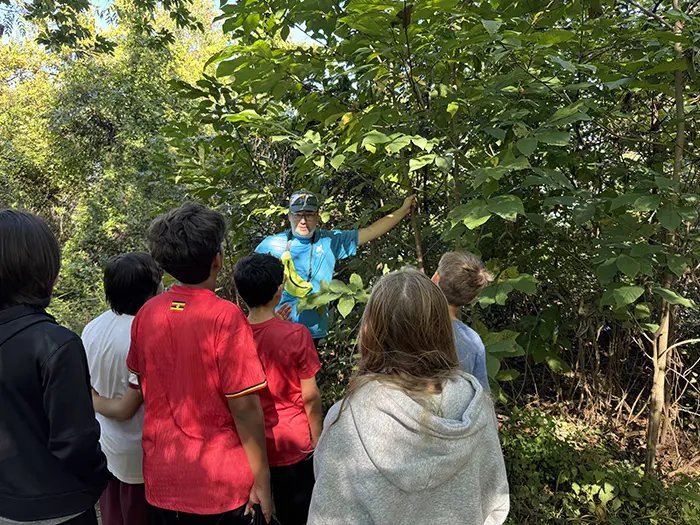
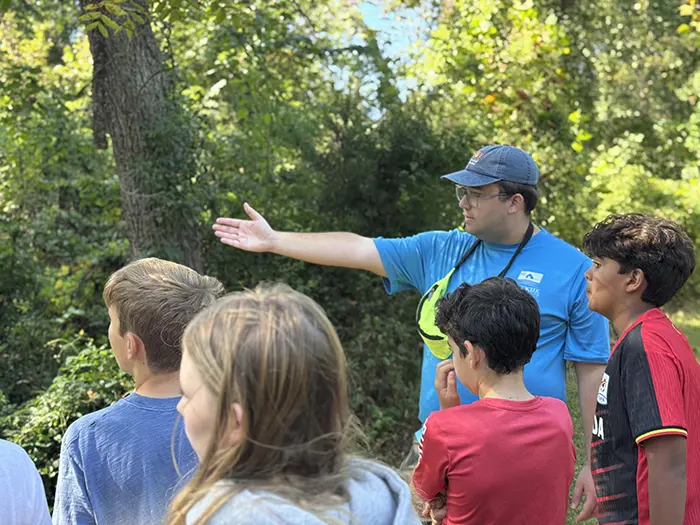
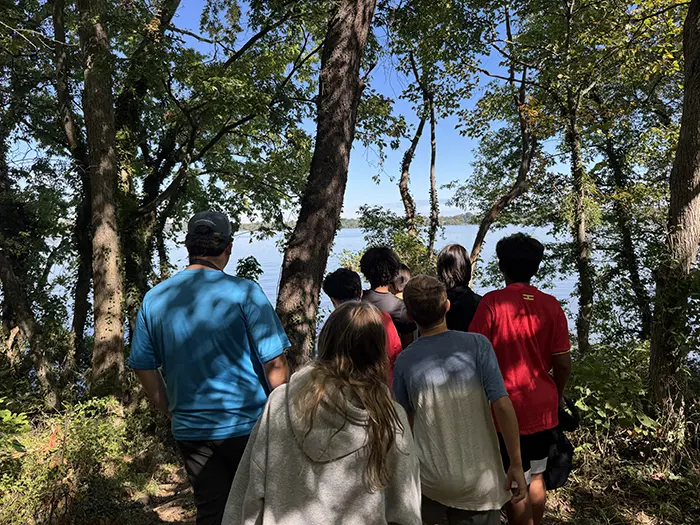
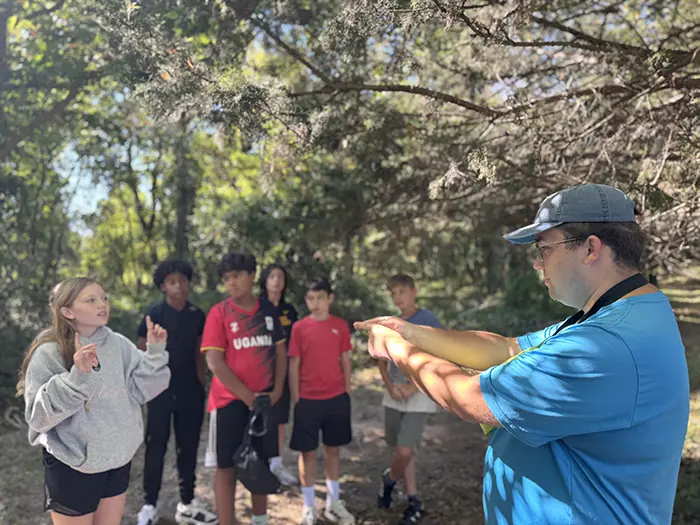
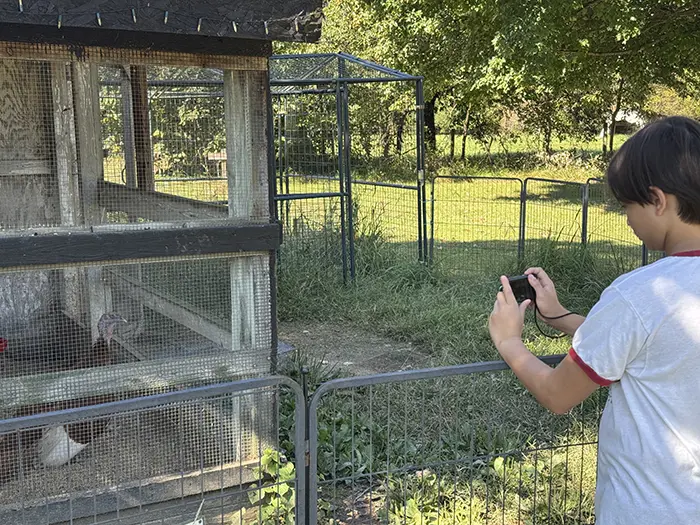
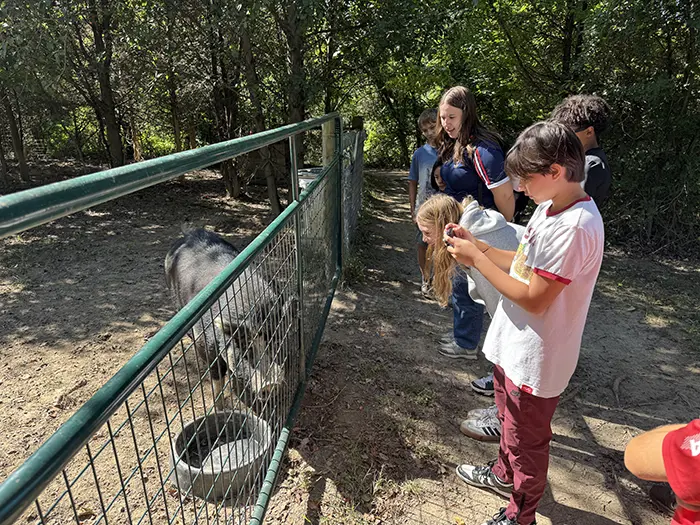
On September 30, our Grade 7 DC History students took their learning outdoors with a field trip to Piscataway Park for the "Piscataway Park: Worlds Collide" program along the Potomac River. Using the park as an outdoor classroom gave our class a chance to experience Indigenous history firsthand right in our local community.
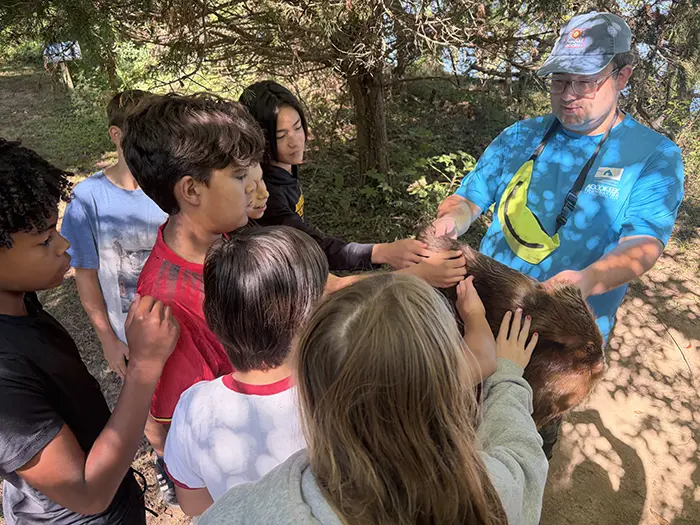
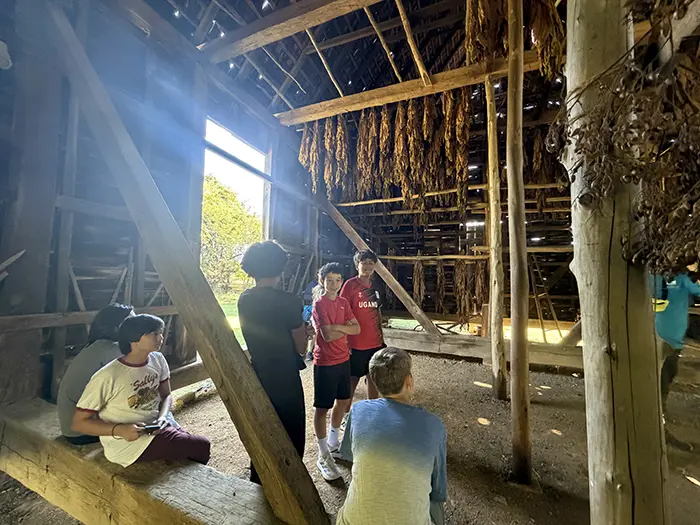
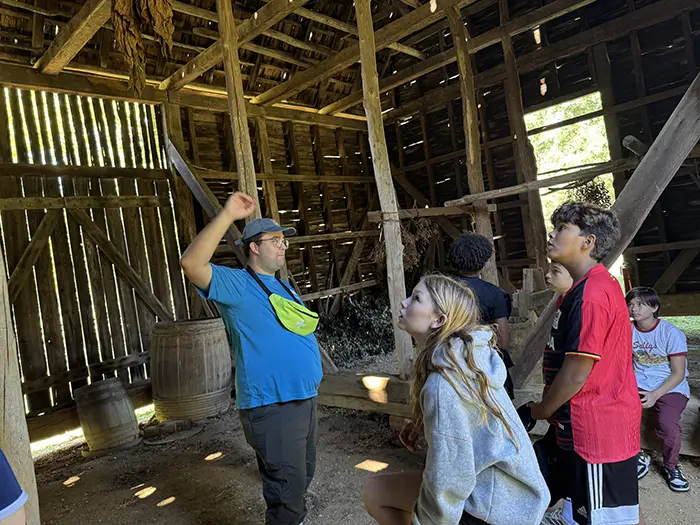
Walking the grounds gave students a close-up look at pre-contact Piscataway culture alongside early colonial history. Our class explored site features like a traditional tobacco barn and tenant farming structures while reflecting on how people's everyday choices shape the environment. A big theme of the trip was comparing how European colonists cleared and farmed the land with the Piscataway practice of living in balance with nature, where every part of a habitat plays a key role in keeping it healthy. One highlight was a hands-on activity with real beaver pelts, which sparked discussion on how 17th-century fur trade changed local wildlife, traditional trading patterns, and Piscataway ways of life.
 |
 |
 |
 |
 |
 |
 |
 |
 |
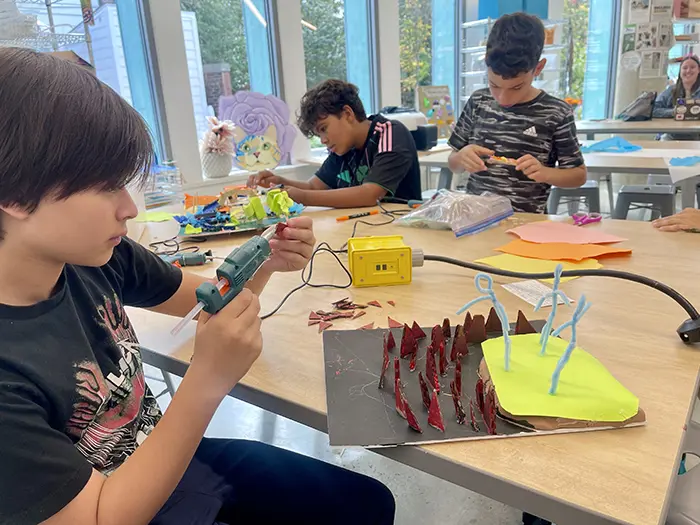
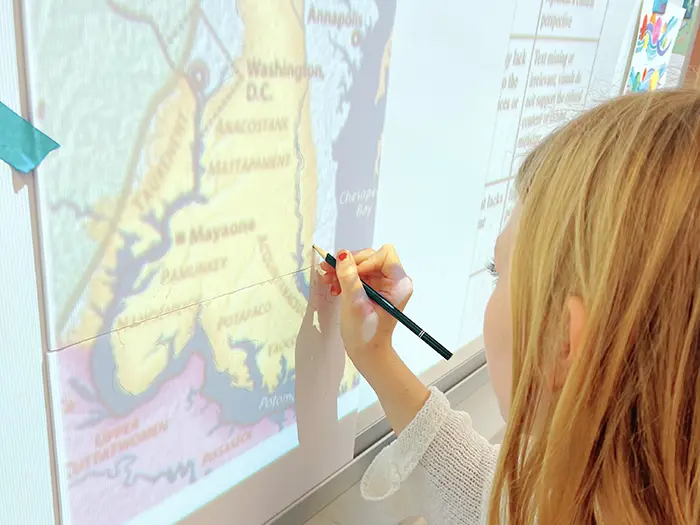
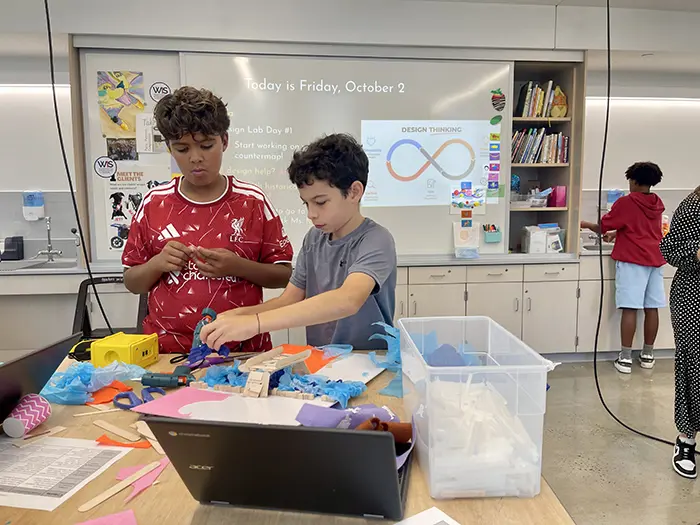
The learning kept going once we got back to school! Equipped with new ideas and real-world observations, students headed straight for the Alan Reese Design Lab to kick off their counter-mapping project! Instead of drawing typical maps focused on modern borders and roads, counter-mapping lets students redesign maps to highlight Piscataway history, community connections, and land tradition. Using different design tools, materials, and the expertise of Ms. K, our Grade 7 students are mapping out research topics that interest them most, including: colonial contact and land changes, jewelry and identity, music, language, and more! It’s been awesome watching our Middle School historians bring together outdoor discovery and hands-on design work.
 |
 |
 |

