

IN THE EVENT OF AN EMERGENCY...
CALL 911 or
988 SUICIDE & CRISIS LIFELINE
WIS SCHOOL COUNSELING DEPARTMENT
With a team of four counselors — two in the Primary School and one each in the Middle and Upper Schools — we nurture the social, emotional, and personal growth of every student. Our counselors help create a caring and inclusive school community where collaboration, respect, and empathy are at the heart of everyday life. We emphasize learning, social responsibility, and holistic development, empowering students with the skills and confidence to support one another and thrive both in school and beyond.
HOW WE SUPPORT
The school counselor plays a vital role in supporting students’ academic, social, and emotional well-being through a variety of services and initiatives. This includes individual and small group counseling focused on supportive reflection, mental health education, relaxation and mindfulness techniques, problem-solving, and interpersonal resolution skills. The counselor also delivers social and emotional lessons and organizes and leads annual initiatives inspired by CASEL Competencies and aligned with International School Counselor Association (ISCA) Standards. Counselors also communicate with parents and external providers such as therapists or psychiatrists, and refer to outside agencies when additional support is needed.
As Deputy Student Safeguarding Lead (DSSL), school counselors play a key role in maintaining a safe and supportive school environment. They also help which fosters empathy, inclusivity, and community connection across the school. Collaboration with teachers and participation in Student Support Team (SST) meetings help ensure students receive comprehensive support. In addition, the counselor provides mental health education and resources for parents, helping to strengthen home-school partnerships and promote a shared understanding of student well-being.
Primary School | Middle School | Upper School
MEET OUR TEAM
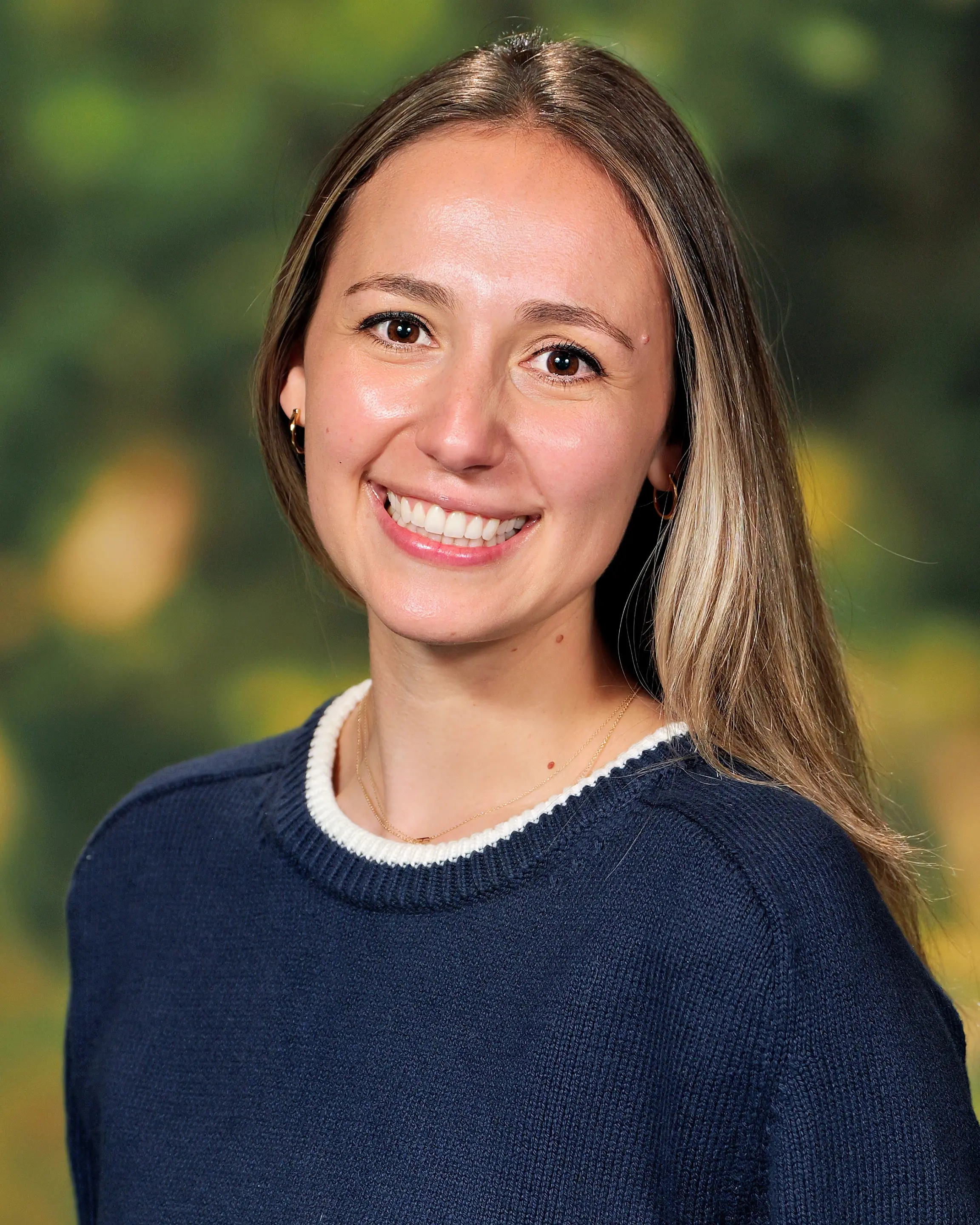
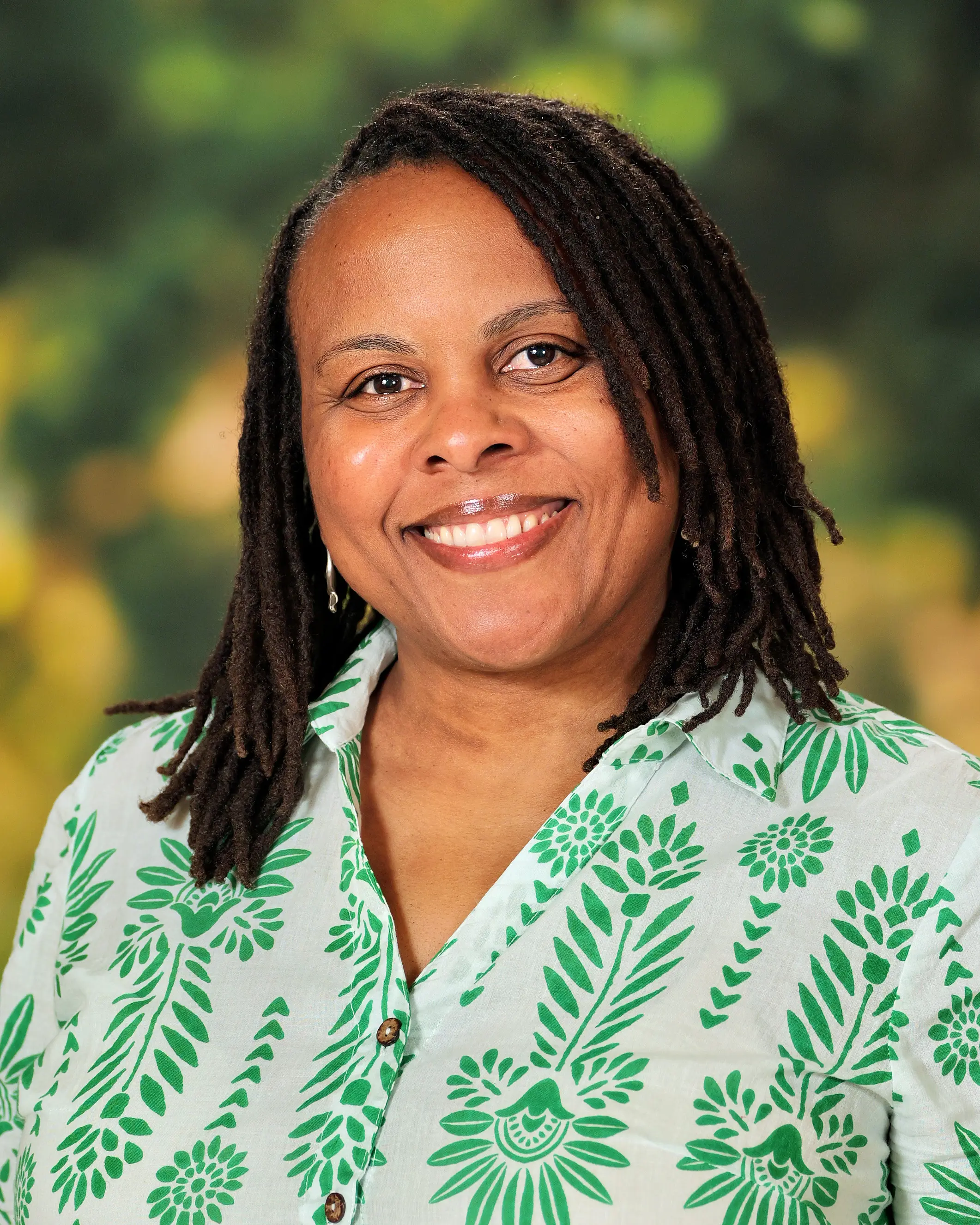
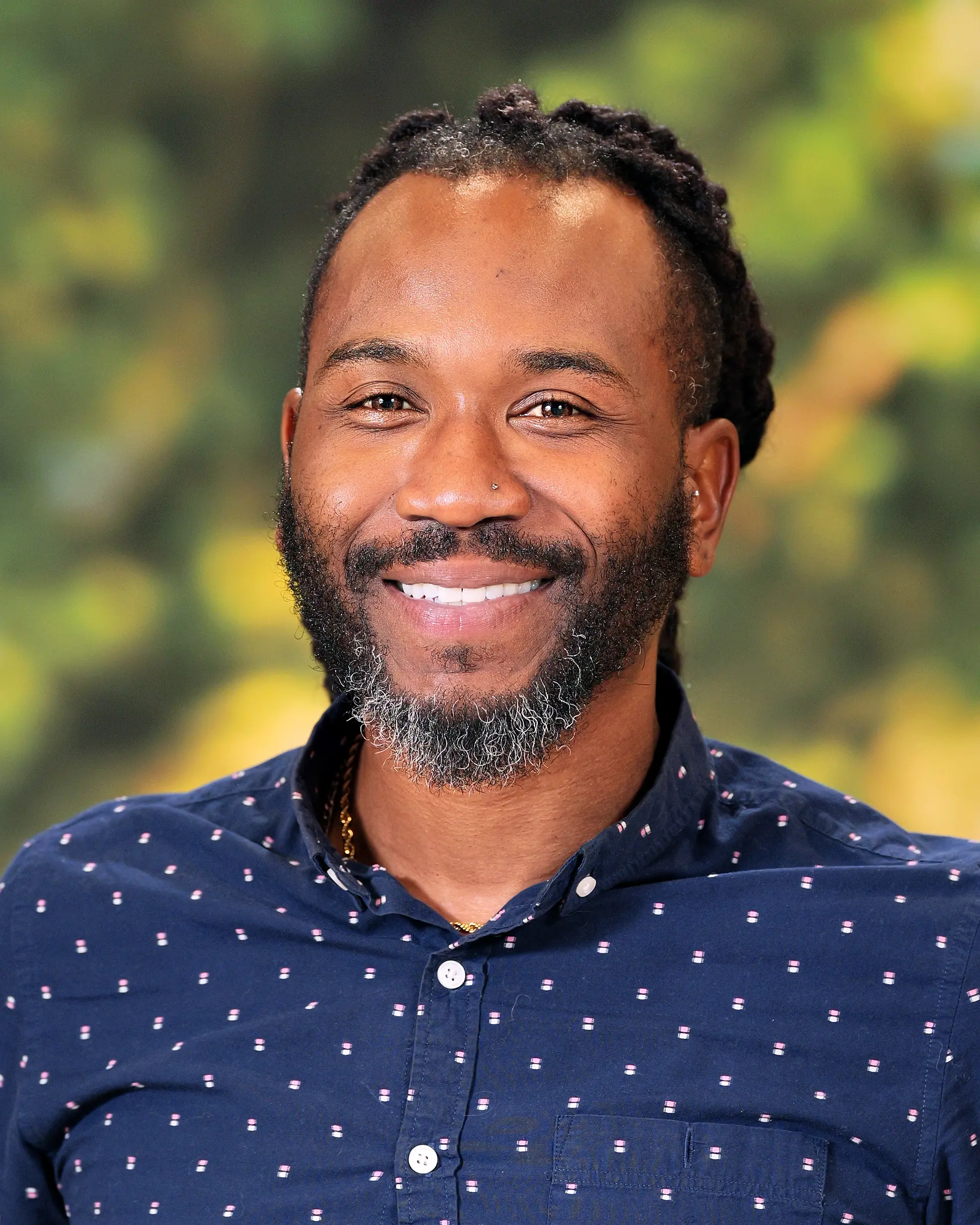
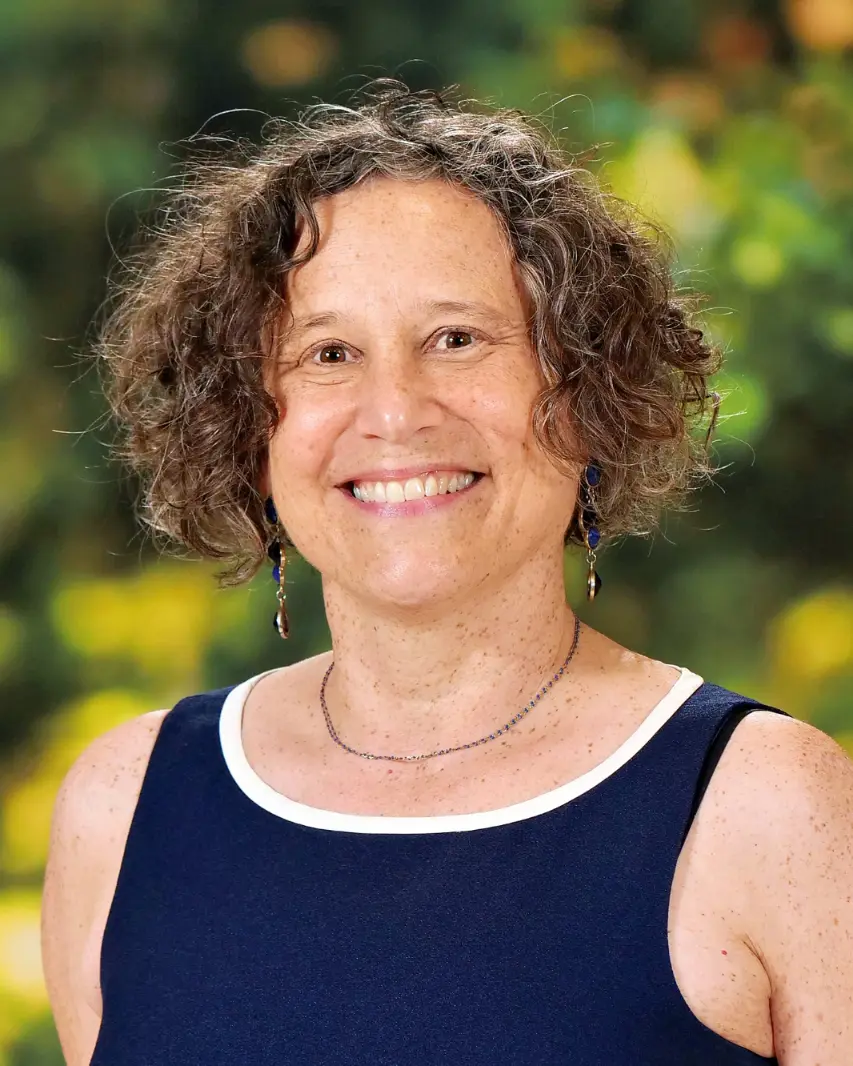
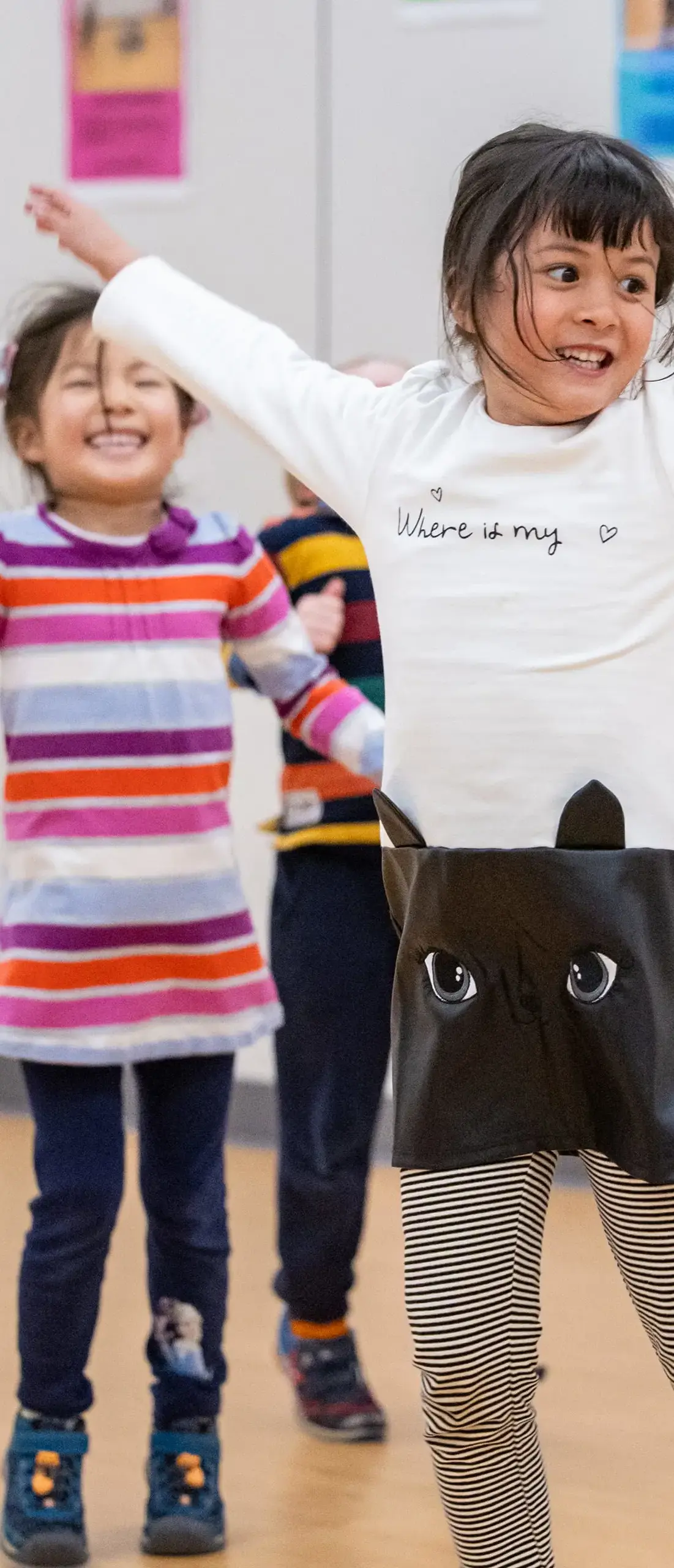
PRIMARY SCHOOL
Our two Primary School Counselors support students as they learn to identify the social and emotional needs of themselves and others by providing:
- Student Counseling: Short-term individual and small-group support addressing social-emotional needs (e.g., anxiety, friendships). Referrals are provided for long-term counseling.
- Social and Emotional Learning (SEL): Counselors deliver a whole-class SEL curriculum grounded in CASEL competencies and integrated into the PYP Units of Inquiry.
- Community Initiatives: School-wide theme weeks (safety, kindness, respect), parent psychoeducation, workshops, and individual consultations, and parenting book groups.
- Collaboration and Consultation: Regular teacher consultation ensures proactive and responsive interventions. Actively partnering with parents fosters a strong home-school support system for our primary students who are learning the fundamentals of wellness.
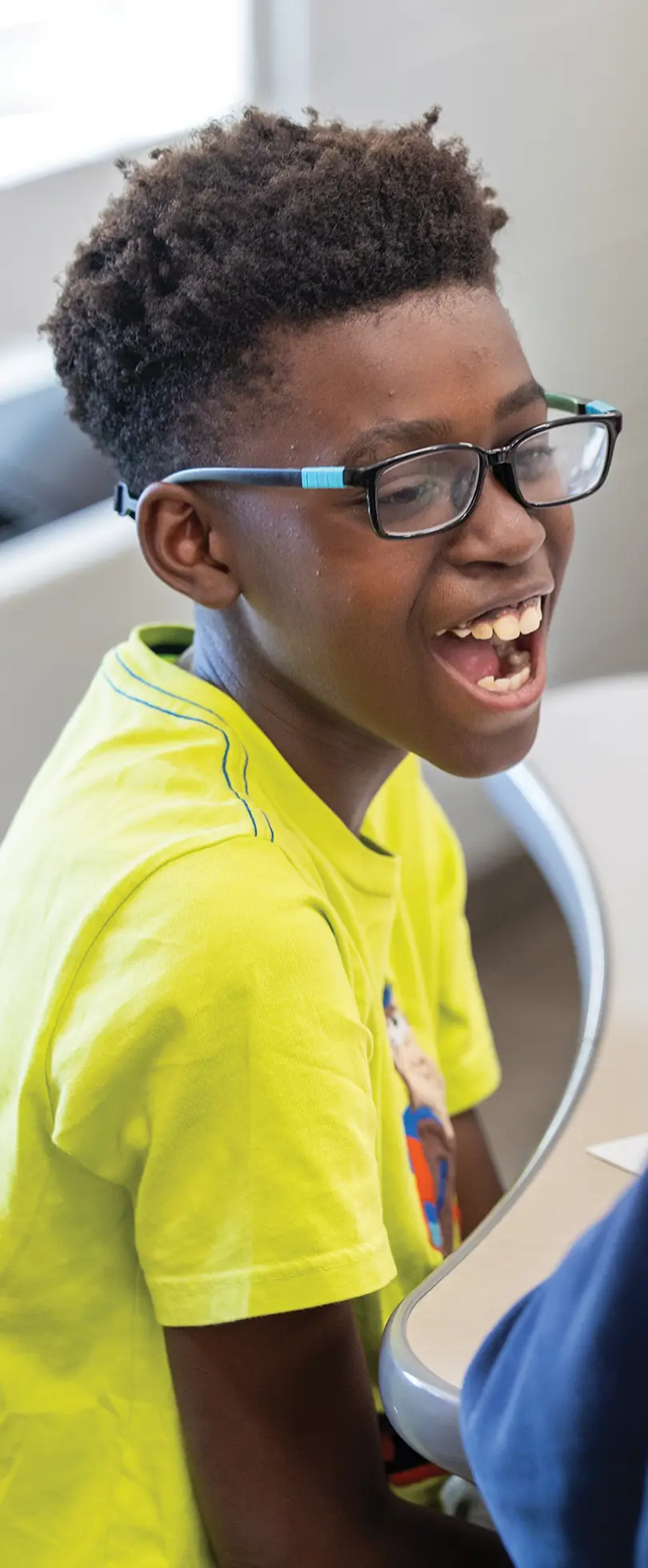
MIDDLE SCHOOL
Our Middle School Counselor supports students through the exciting — and sometimes challenging — Middle School years by providing:
- Student Counseling: Short-term individual and small group support for academic concerns, friendships, family issues, stress, and personal challenges.
- Social and Emotional Learning (SEL): The counselor creates SEL lessons and facilitates Creating Caring Conversations (CCC).
- Community Initiatives: such as Mental Health Days, Drug Prevention Awareness, and Kindness Week to promote empathy, self-awareness, and well-being.
- Transition support: Support to ensure students entering or leaving Middle School feel confident and prepared for the next step on the academic journey.
- Collaboration and Consultation: Work together with families, faculty, and outside professionals to support students and strengthen the school-home connection through shared strategies and resources.
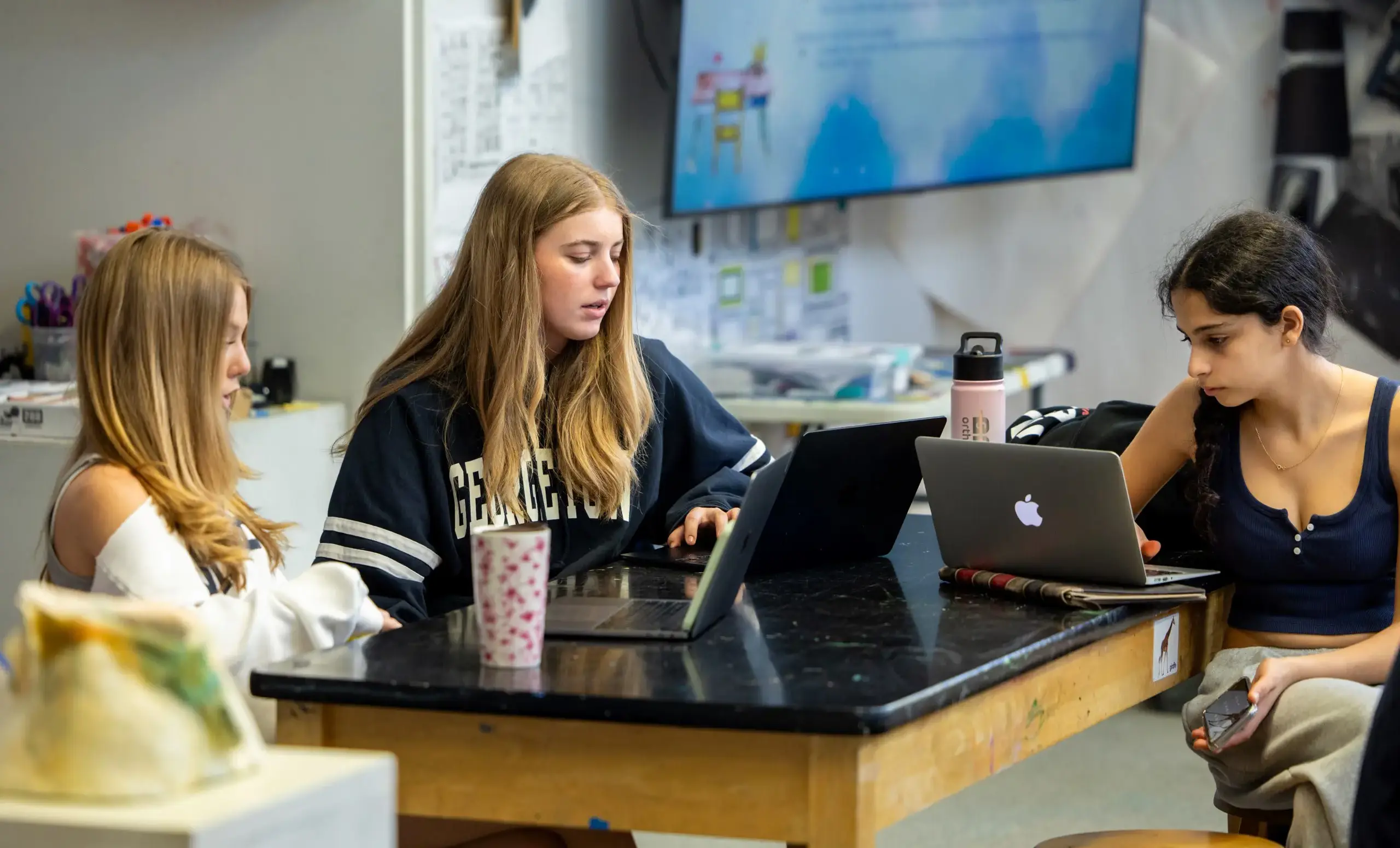
UPPER SCHOOL
The Upper School Counselor serves as a resource for students navigating the challenges of Upper School, a time that can include moments of stress, rapid change, and uncertainty, by providing:
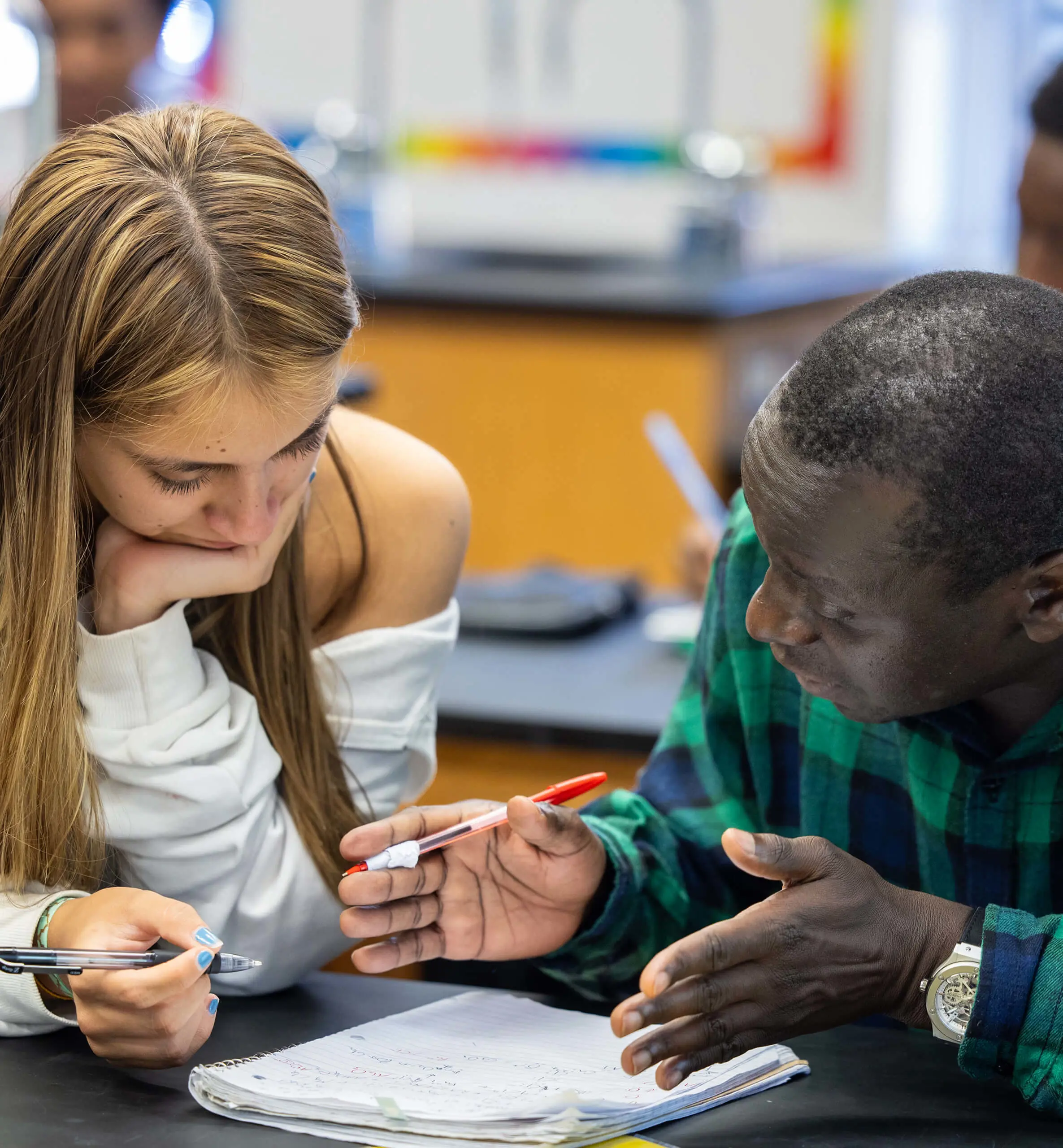
- Student Counseling: Short-term individual counseling, peer mediation, and providing crisis support.
- Social and Emotional Learning (SEL): Self-advocacy, strength identification, stress management, healthy relationships, and mental health awareness in Seminar.
- Community Initiatives: Kindness Week, The Feel Good Club, and guest speaker events around drug prevention and mental wellness that actively promote connection, resilience, and overall wellness.
- Collaboration and Consultation: Working closely with parents, faculty, and external professionals as needed.
- The Pulse Program: An online tool allowing students to share their real-time feelings and readily access support.